Introducing the Endocrine System
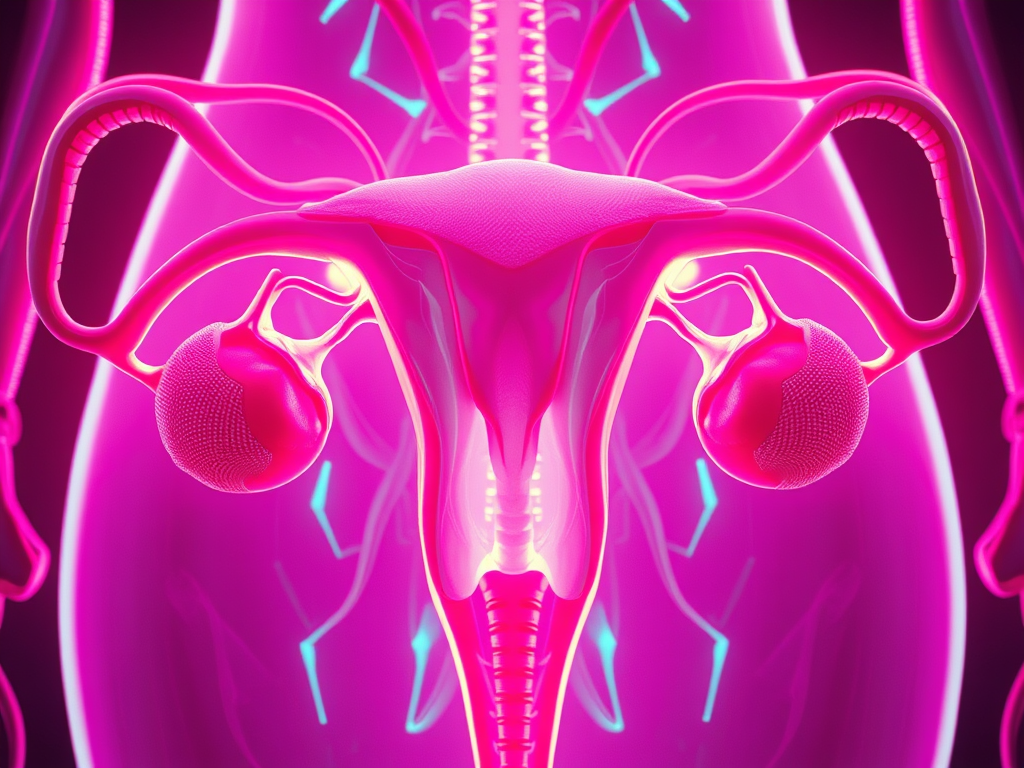
Think of the endocrine system as the body’s internal planning committee. It’s made up of a network of ductless glands that work closely together to manage both immediate tasks—like responding to stress or regulating blood sugar—and long-term goals, such as supporting the immune system and enabling reproduction.
Although these glands are located throughout the body, they stay connected by releasing hormones into the bloodstream. These chemical messengers help coordinate and regulate nearly every aspect of metabolism and overall function—either directly or indirectly. For this system to work effectively, each gland needs to be in good health, because even a small disruption can throw off the balance for the whole team.
A Key Difference to Note
While the male endocrine system tends to produce hormones at more consistent levels, the female endocrine system experiences regular, cyclical fluctuations in hormones—especially estrogen and progesterone—as part of the menstrual cycle. These natural rhythms play an essential role in reproductive health and have wide-reaching effects on physical and emotional well-being.
Here’s a polished, clinically warm version of your content for your blog post. It’s structured for clarity while keeping the tone educational, approachable, and professional—perfect for a clinical audience with a patient-friendly lens:
The Main Actors of the Endocrine System
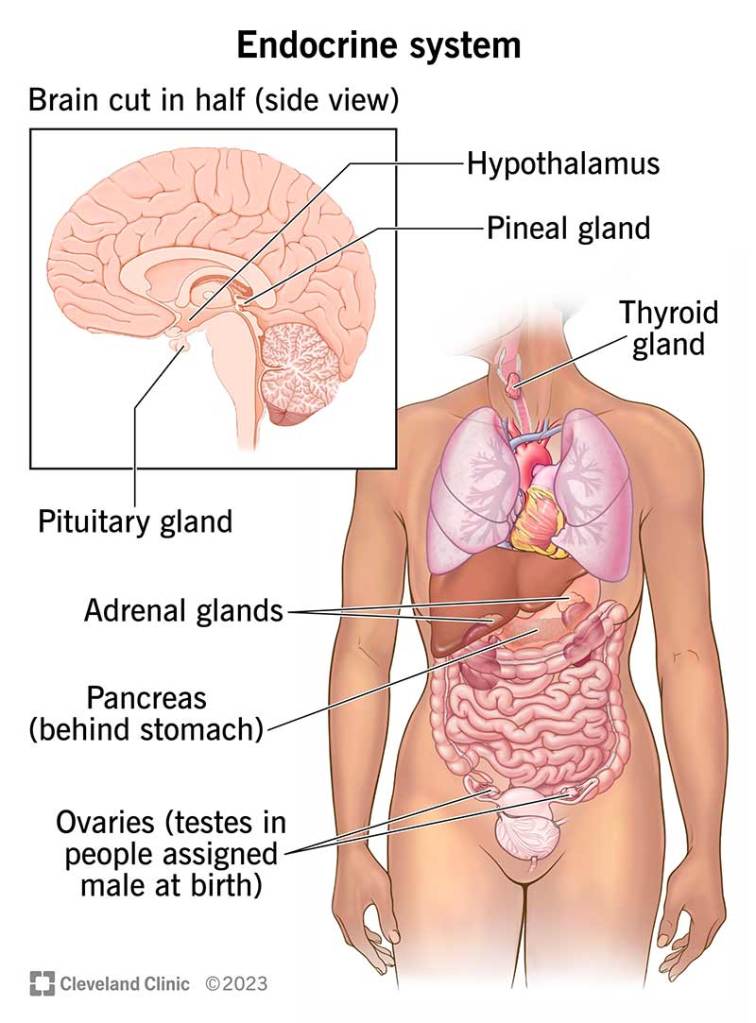
The female endocrine system includes the hypothalamus, pituitary gland, thyroid gland, parathyroid glands, adrenal glands, pancreas, and ovaries. The ovaries produce estrogen and progesterone, which are key female sex hormones.The hypothalamus regulates the pituitary gland, which in turn controls other glands.
Hypothalamus
Located deep within the brain, the hypothalamus acts as the command center of the endocrine system. It releases hormones that direct the pituitary gland and serves as the bridge between the nervous and endocrine systems. Importantly, the hypothalamus processes emotional input, making it highly responsive to stress and mood, and helps regulate both parasympathetic (“rest and rebuild”) and sympathetic (“fight or flight”) nervous system activity.
Pituitary Gland
Often referred to as the “master gland,” the pituitary secretes hormones that control the activity of other endocrine glands. It plays a crucial role in:
- Growth and development
- Thyroid and adrenal function
- Ovarian follicle maturation
- Production of Luteinizing Hormone (LH), which stimulates estrogen, progesterone, and testosterone synthesis
Thyroid Gland
Working in close coordination with the hypothalamus and pituitary gland, the thyroid regulates metabolism, growth, and energy use. Its influence on metabolic rate also directly impacts fertility. Iodine is essential for thyroid hormone production, yet it remains a common nutritional deficiency, particularly among women.
Parathyroid Glands
These small glands, located behind the thyroid, are responsible for maintaining calcium balance in the blood. They manage calcium by drawing it from bones or depositing it back, depending on the body’s needs—a critical function for muscle contraction, nerve function, and bone integrity.
Adrenal Glands
Perched atop the kidneys, the adrenal glands help the body respond to stress. They produce cortisol—a hormone essential for long-term stress adaptation, immune function, and fertility. Cortisol also raises blood pressure and blood sugar and acts as a natural anti-inflammatory.
Ovaries (Gonads)
Before menopause, the ovaries are the main source of estrogen and progesterone. Their activity is guided by signals from the pituitary gland. Menopause occurs as the ovaries exhaust their supply of ovulation-ready follicles, leading to a natural decline in hormone production—particularly estrogen.
Pancreas
The pancreas serves dual roles: it aids digestion by releasing enzymes and helps regulate blood sugar through the hormones insulin and glucagon. These processes are also influenced by adrenal and sympathetic nervous system activity, particularly during times of stress.
Pineal Gland
This small, pinecone-shaped gland regulates the body’s circadian rhythms through the secretion of melatonin. It responds to light and darkness, moon cycles, and seasonal changes, playing a role in sleep-wake cycles and hormonal timing.
Liver & Gallbladder (Supporting Cast)
Though not traditional endocrine organs, the liver and gallbladder play a critical role in hormone clearance. Once hormones have fulfilled their function, they are metabolized by the liver and excreted via bile. Nutrient-rich diets—especially those containing B vitamins, cruciferous vegetables, healthy fats, and proteins—support this detoxification process. Without proper liver and bile function, hormone imbalances and systemic inflammation can occur.
The Sex Hormones: Key Functions
Hormones are powerful messengers that drive development, reproduction, and overall health. Here’s a quick overview of the three major sex hormones in women:
Estrogen
- Guides the development of female sexual characteristics and reproductive organs.
- Stimulates bone growth and helps maintain bone density by regulating calcium deposition.
- Promotes healthy fat distribution, especially in the breasts, hips, and thighs.
- Contributes to soft, smooth skin texture.
- After menopause, estrogen is primarily produced by fat cells and the adrenal glands.
Progesterone
- Prepares the uterine lining for implantation of a fertilized egg.
- Supports mammary glands in preparation for breastfeeding.
- Triggers the shedding of the uterine lining (menstruation) when fertilization does not occur.
Androgens (e.g., Testosterone)
- Produced in small amounts by the ovaries.
- Most ovarian testosterone is converted into estrogen before being released into the bloodstream.
- Plays a role in libido, muscle mass, and overall hormonal balance.
GET STARTED ON BALANCING
Foundational to recovery from bioidentical hormone therapy and to hormone balancing is establishing steady blood sugar levels as well as a healthy sleep routine. One of the common complaints of menopausal women is sleep disruption. Either falling asleep is a challenge or staying asleep is a problem.
Typically, those who have trouble falling asleep are experiencing an inverted cortisol pattern. Rather than cortisol being at its lowest point at bedtime, cortisol actually climbs to its highest level. Many experience this in the form of a “second wind.” Several factors can contribute to this inverted cortisol pattern: prior use of birth control hormones, overconsumption of caffeine, chronic stress and working or living in bright lighting at night.
Correction of elevated cortisol that is keeping one from falling asleep at a decent hour (between 9:00 and 10:00 PM) can be achieved by a multi-faceted approach. This involves establishing a consistent rhythm in one’s day, including regular wake and sleep times, as well as regular meal times and time outdoors. Often it is necessary to support the hypothalamus and pituitary glands via nutritional therapy. The use of protomorphogens, particular to these glands, has proven very effective. In my nutrition practice, we use Standard Process’ Hypothalmex, Hypothalamus PMG and Pituitrophin PMG. Additionally, real food sources of the whole vitamin E complex provide nutrition for the pituitary glands.
Regardless of the nature of one’s specific imbalances, the following steps are always vital to hormone balance:
• Eliminate obstacles to balance
• Eat a Wise Traditions diet
• Correct digestion and blood sugar control
• Manage chronic prolonged stress
• Establish rhythm and spend time outdoors
• Support detoxification and elimination
• Address specific hormone imbalances
• Do regular movement and exercise
• Sleep restfully.
ELIMINATE OBSTACLES TO BALANCE
It is vital to eliminate as many obstacles as possible that block the endocrine system from staying in a state of homeostasis or balance. The following destroy health and may encourage estrogen dominance. We will discuss some of these in more detail in the following sections.
• Lowfat, high-sugar, high-carb diet
• Over-committed lifestyle
• Caffeine (coffee, tea, chocolate, sodas)
• Alcohol and recreational drugs
• Chronic infections
• GMOs
• Gut permeability
• Electro-magnetic fields, radiation
• Antibiotics and other prescription and over-the-counter medications
• Toxic personal care and cleaning products, most of which contain known estrogenics.
SUPPORT LIVER FUNCTION
As important as it is to eat right for our hormones’ sake, we must also nourish our bodies well for proper liver function. Most people interested in health these days are aware of the concern regarding certain genetic mutations that affect liver function and detoxification. The most talked about mutation influences the liver’s methylation pathway. Methylation is involved in almost every bodily biochemical reaction and occurs billions of times every second in our cells. Methylation mutations, as with all genetic mutations, exist because of what was inherited at birth. However, the genes you inherit from your parents are not your destiny. They are simply your tendency. Epigenetic factors can change genetic expression and that is why a Wise Traditions diet along with lifestyle factors and changes are so empowering. When most people think of methylation, what immediately comes to mind is MTHFR genes. The tendency in many health circles is to hyper focus on this one mutation and its potential effect on liver function and hence, hormones. However, there are multiple genes that tag team with the MTHFR genes in the process of methylation. For this reason, it is not wise to just start supplementing with the typical recommendation of high-dose methylcobalamin (methylated B12). Many with MTHFR SNPs (single nucleotide polymorphisms, the most common type of genetic variation among people) react poorly to methylated B12 due to other related genetic mutations involved in methylation. MTHFR is a vital enzyme in the folate cycle and is required in the conversion of folic acid into L-methylfolate. Synthesis of neurotransmitters (such as serotonin and dopamine) can be halted by lack of active folate due to MTHFR and other mutations.
Rather than blindly supplementing with methylated B12, start by consuming foods that are methyl donors daily. Your body knows what to do with the nutrients in food. Cooked dark leafy greens, soaked and cooked lentils, liver and beet kvass are all excellent methyl donors and should be consumed regularly. By increasing dietary sources of methyl donors, including vitamin B12 and folate, the liver’s methylation process is supported in the most natural way.
SUPPORT GLUCURONIDATION AND SUPPORTIVE FOODS
Glucuronidation takes place in the liver and is often involved in the metabolism of substances such as drugs, pollutants, bilirubin, androgens, estrogens, mineralocorticoids, glucocorticoids, fatty acid derivatives, retinoids and bile acids. The body uses glucuronidation to make a large variety of substances more water-soluble, and, in this way, allow for their subsequent elimination from the body through urine or feces (via bile from the liver).
Factors such as hypothyroidism, overweight, excessive estrogen, a compromised immune function and smoking affect the rate and efficacy of one’s glucuronidation process.
Cruciferous vegetables support this pathway. They should be cooked (steamed or sautéed) or fermented. Raw cruciferous vegetables, such as broccoli, cauliflower, cabbage, kale, mustard greens and bok choy are very goitrogenic. This means they can lower thyroid function, which in most cases, we do not want to do.
Gotu kola is a perennial plant that is native to the wetland regions of Asia. It can be used for a variety of reasons. It supports the glucuronidation pathway. It is known to enhance microcirculation by increasing blood vessel and collagen growth with antioxidant and anti-inflammatory properties while preventing swelling. Think of it if you are have skin concerns (such as premature wrinkling, poor scar healing) and edema.
Sulfation is a final phase in the liver’s detoxification process. Sulfoxidation transforms toxic sulfites into sulfate for elimination from the body. Sulfation plays an important role in hormone regulation and metabolism. Cell signaling and inflammation control also rely on sulfation. The body uses sulfation to eliminate many toxic environmental compounds including mercury, acetaminophen, xenobiotics and food additives like aspartame and sulfites, as well as endogenous toxins from intestinal bacteria, hormones (thyroid, cortisol and other steroidal hormones) and neurotransmitters.
According to Stephanie Seneff, PhD, one of the world’s foremost glyphosate experts, glyphosate depletes the liver of much needed sulfate. Glyphosate is the active ingredient in Monsanto’s herbicide Roundup and is used in conjunction with genetically modified organisms (GMOs). Seneff believes that glyphosate disrupts the transport of sulfate from the gut to the liver and pancreas. The result is a plethora of diseases. Autism as well as celiac and other diseases of the gut are all linked to faulty sulfation pathway function. Elimination of GMOs from the diet is crucial for wellness.
Foods that offer excellent support for the sulfation pathway include organic garlic, leeks, eggs, raw cultured dairy, wild fish and shellfish, liver, lamb, beef, chicken, pork, duck, goose, turkey, properly soaked and cooked lentils, soaked and cooked oatmeal, and barley. Ginger and mustard also offer good support for sulfation.
CORRECT DIGESTION AND CONTROL BLOOD SUGAR
Another essential function for obtaining optimal hormone balancing is optimal digestion and blood sugar control. To start, eliminate improperly prepared grains and refined vegetable oils. For serious digestive issues, consider the GAPS Diet, especially the GAPS Introduction Diet, a therapeutic diet designed to heal the gut.
The inclusion of digestive bitters or raw apple cider vinegar before meals will stimulate the stomach to produce hydrochloric acid and pepsin, both of which are designed to begin the process of digesting proteins and minerals. Bile insufficiency or thick sluggish bile is often seen in estrogen dominance. Common signs of bile insufficiency or biliary tract stasis are constipation, light colored stools and stools that float (indicating a malabsorption of fat). The addition of supplemental ox bile can help correct this condition. Consuming beet kvass, a traditional Russian lacto-fermented beverage, prior to meals is also extremely effective in thinning the bile stored in the gallbladder. This allows bile to be delivered into the duodenum of the small intestine more easily, thus enhancing the digestion of fatty foods.
As mentioned above, blood sugar regulation can be the cause of waking at night for many women. Following closely the Wise Traditions diet will be the most important step in creating stable blood sugar. Next will be establishing three regular meals daily. Do not skip meals or do intermittent fasting until blood sugar is steady.
Along with regular meals and meal times, use Dr. Natasha Campbell-McBride’s recommendation of incorporating her butter-honey mixture (see page 38) into the diet in between meals.8 This in-between-meals snack is designed to give the body longer sustaining energy in the way of butter with just enough raw honey to satisfy sugar cravings. As time goes on and blood sugar normalizes, one will need this snack less and less in between meals and in many cases, will feel perfectly satisfied until the next meal.
Insulin resistance, as well as sugar cravings, can be addressed in the same manner as above. The inclusion of therapeutic dosages of Mediherb’s Gymnema can be very beneficial in both stopping sugar cravings and re-sensitizing cells to insulin. In many cases, Gymnema will need to be used for up to nine months, but the results are well worth the effort.
Evening primrose oil or black currant seed oil are also extremely useful in reversing insulin resistance. Additionally, they support hormone balancing in cycling as well as menopausal women. Evening primrose oil is especially suited for younger women, while black currant seed oil supports perimenopausal and menopausal women best. As with all plant oils, it is imperative to seek out high-quality therapeutic sources such as those provided by Mediherb and Standard Process.
Lastly, avoid eating after 7:00 PM (6:00 PM to support weight loss) to ensure that the bulk of the digestive process is finished before going to bed. Managing chronic stress and going to bed between 9:00 and 10:00 PM are essential steps in restoring blood sugar regulation.
MANAGE CHRONIC PROLONGED STRESS
Considered by many physicians and health care practitioners to be the most common culprit for inflammation and chronic illness, prolonged stress must be addressed in order to achieve long-term hormonal balance. The first step in managing chronic stress is to create more margin in one’s day and schedule. This requires prioritizing and being realistic.
Modern culture has imparted high demands on individuals with our pervasive use of technology. It takes a great deal of self-control to create healthy boundaries and safe spaces, if you will. But without boundaries and safe spaces, quiet is all but stolen from our existence. Take steps to limit your availability via email and cell phones. Learn to say “no” to excessive commitments. Refuse to be driven by the tyranny of the urgent. Very few “urgencies” are truly such. Make it a practice to turn off devices before dinner. Guard your safe spaces, giving yourself regular time outdoors daily without the presence of devices. Practice quietness on a daily basis. Journal, pray, meditate. Be still!
Another area of chronic stress comes in the form of unhealthy relationships. Look honestly at those relationships that bring repetitive stress into your day. Take positive action through the counsel of trusted friends, therapists, pastors, priests or rabbis or other counselors. Find solutions to rebuild strong relationships. Spend time with those people who encourage you and do likewise to others.
Medical researcher T.S. Wiley once wrote, “We always knew that there were certain rules for staying alive in harmony with all other living things—how much you could eat, how long you could stay awake, and how much stress you could endure.”
Finally, a key ingredient to stress management is to make a commitment to restorative sleep. More on that later.
ESTABLISH RHYTHM AND SPEND TIME OUTDOORS
Our hypothalamus-pituitary-adrenal-gonadal axis is designed to receive signals from the sun, in a roundabout way. These signals are initiated by the suprachiasmatic nucleus (SCN) of the anterior hypothalamus. The SCN is the master clock controlling circadian rhythms. In essence, our biological time clock, or circadian rhythm takes its cues from sunlight.
Prior to the advent of electricity, it was easy to go to bed at an ideal time, two hours after sunset. As the eye perceives darkness, a message is transmitted via the optic nerve to the anterior hypothalamus and then to the pineal gland. Once received, the pineal gland, a neuroendocrine gland, initiates the production of melatonin. It takes the body roughly two hours from receipt of this signal to produce melatonin in levels sufficient to induce deep sleep. What happens if we live in bright artificial lights all day until late night? You guessed it. We miss the natural signals that should be transmitted. We live in a perpetual state of summer. Long days of light which translate to less sleep.
SUPPORT DETOXIFICATION AND ELIMINATION
Gentle detoxification and biotherapeutic drainage provide crucial support for balancing hormones and recovering from the use of both bioidentical and synthetic hormone therapy. As a complement to biotherapeutic drainage, simple home therapies such as castor oil packs, dry brushing, dry sauna, liver-gallbladder flushes and coffee enemas may be incorporated. The goal is to eliminate the toxic liver stressors and their effects due to past use of over-the-counter and prescription medications, estrogenics and xenobiotics from food, water and personal care products as well as synthetic hormones. Ensuring regular daily bowel movements is also critical in this process.
Dr. Dickson Thom, DDS, ND, explains biotherapeutic drainage in this way: “Drainage is the process of detoxifying the body by opening the emunctories and then discharging the toxic accumulations. However, in reality it is a much more complex process in that it provides a support for the natural progression and maturation throughout life.”
Drainage (or biotherapeutic drainage) is often confused with detoxification. The two terms are closely related but have specific differences. Detoxification refers to the process of cleansing a particular organ or gland or using therapeutic support to eliminate a toxin such as a toxic metal, parasite, chemical or pathogenic yeast. Detoxification tends to employ commonly used remedies without considering the individual’s elimination ability based on many factors.
Drainage takes into account each person’s unique metabolic status and requires a knowledge of the individual’s health history, level of health and elimination patterns and tendencies, among other factors. Biotherapeutic drainage was developed in Europe at the turn of the twentieth century. There are several forms of drainage remedies. These include gemmotherapy or plant stem cell remedies, single remedy homeopathy and complex homeopathy (such as UNDA Numbered Compounds).
In order for the body to heal, toxins must be released and affected tissues regenerated. It is always ideal that the release of toxins be done as gently as possible. Drainage therapies are designed to do just that. In addition to the aforementioned remedies, drainage includes simple therapies such as massage, dry saunas, castor oil packs and hydrotherapy.
KEEP MOVING!
Don’t forget the importance of regular exercise. The best exercise is the one you will do. Exercise stimulates the lymphatic system as well as the lungs and cardiovascular system. Exercise relieves stress as well. Find a routine you enjoy and stay with it. Don’t be afraid to try new activities. Variety eliminates boredom.
SLEEP RESTFULLY
Sleep is one of the most restorative therapies we have and it costs us absolutely nothing!
Before you grab for that bottle of melatonin, understand how the production of melatonin works. The hormones melatonin and prolactin are the drivers of our biological clocks. Melatonin production by the pineal gland is stimulated two hours after the eye perceives darkness. While melatonin can provide relief in acute situations, when taken long term it decreases natural production by shrinking the pineal gland.
Instead, try a warm cup of bone broth or raw milk before bed. Both are teeming with minerals that are helpful for inducing a good night’s sleep. Rubus Idaeus and Tilia Tomentosa are two gemmotherapy remedies that help the nervous and endocrine systems balance and bring relief to insomnia, irritability, depression and hot flashes. Two side effects of low progesterone are insomnia and snoring. Clinical research suggests that chaste tree increases melatonin secretion, especially at night. This, along with daily time outdoors, assists the body in having restful sleep. Do not take melatonin supplements : this is known to upset hormones and cause further damager. Work on your sleep routine by staying active in the day and especially avoiding night time screen time.
IN CLOSING
In the pursuit of hormone balancing, we must strive to consider the long-term effects of our chosen therapies. Whenever possible, choose non-toxic therapies that encourage your finely designed hormonal system to adapt to the changing seasons of life. Ignore the media’s many messages that tell us we are to be forever twenty. Honor the changing season of life by embracing with joyful expectancy the new adventures ahead. And never underestimate the regenerative and recuperative powers of the incredible human body. It is possible to restore strength and balance to your endocrine system at any age.
references :
REFERENCES
1. Personal conversation with Louisa Williams, MSc, DC, ND in November 2017.
2. Steicher, Lauren. Buyer Beware: “Bioidentical” Hormone Myths. November 9, 2011. doctoroz.com/blog/lauren-streicher-md/buyer-beware-bioidentical-hormones-myths.
3. Rossouw JE, et al. Risks and benefits of estrogen plus progestin in healthy postmenopausal women: principal results From the Women’s Health Initiative randomized controlled trial. JAMA. 2002. https://www.ncbi.nlm.nih.gov/m/pubmed/12117397/
4. Guyton, Arthur & Hall, John. Textbook of Medical Physiology. Tenth Edition. Philadelphia: W.B. Saunders Company, 2000.
5. Williams, Louisa. Radical Medicine: Cutting-Edge Natural Therapies That Treat the Root Causes of Disease. Rochester, VT: Healing Arts Press, 2011.
6. BioFoundations. Enhancing the Six Phase II Detoxification Pathways by Consuming the Necessary Nutrients. Interdiscip Toxicol 2013;6(4):159-184.
7. Seneff, Stephanie and Anthony Samsel. Glyphosate, pathways to modern disease II: Celiac sprue and gluten intolerance. https://www.ncbi.nlm.nih.gov/pmc/articles/PMC3945755/
8. Campbell-McBride, Natasha, Certified GAPS Practitioner Training. Dallas. November 2011.
9. Wiley, T.S. Lights Out: Sleep, Sugar, and Survival. New York, NY: Pocket Books, 2000.
10. Ibid.
11. Thom, Dickson. UNDA Numbers: An Energetic Journey to Homeostasis and Wellness. Scottsdale, AZ: JELD Publishing, 2013.
12. Wiley, T.S. Lights Out: Sleep, Sugar, and Survival. New York, NY: Pocket Books, 2000.
 Marina Farook